
New trends in orthopaedics and rehabilitation aids – ISPO conference – Spronken was there, of course!
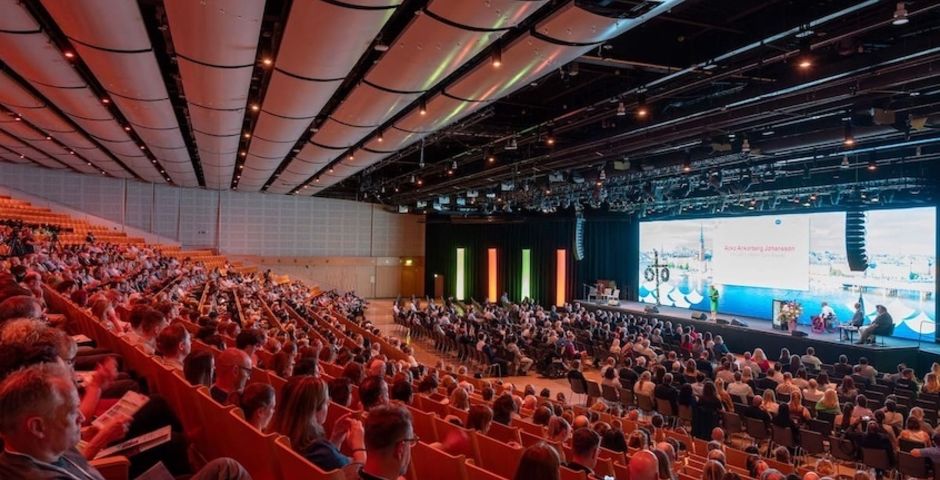
Stockholm, June 2025 – More than 3,200 professionals from over 100 countries gathered in Stockholm for the 20th ISPO World Congress, which focused on the future of orthopaedic care. Of course, we were there! The Spronken Orthopaedics team and the Amputee Care Center team are pioneers in innovative orthopaedic aids.
Under the theme ‘Science in Practice, Practice in Science: Collaboration and innovation towards sustainable rehabilitation’, groundbreaking innovations in prosthetics, orthotics and digital manufacturing were presented. For patients with arm or leg amputations, this means a wave of personalisation, robotics and AI that dramatically improves quality of life.
Next-gen prostheses and orthoses
The conference, organised by the International Society for Prosthetics and Orthotics (ISPO), demonstrated how collaboration between science and practice leads to sustainable solutions. With 192 exhibitors from 33 countries, cutting-edge technologies were demonstrated, from 3D-printed prostheses to smart robotic systems.
Personalisation through 3D printing: Perfect custom fit
One of the biggest breakthroughs is the emergence of 3D printing for customised prostheses, with which we at Spronken already have 10 years of experience. This technology allows arm and leg prostheses to be tailored precisely to the patient's anatomy, resulting in a better fit, greater comfort and more aesthetic designs. Production is faster and cheaper, which is particularly crucial in a market that is expected to grow to £4.74 billion by 2030, driven by an ageing population and rising diabetes-related amputations.
High-tech prostheses are commonplace in Belgium and the Netherlands
At centres such as the Amputee Care Center, high-tech prostheses have been integrated into (insured) treatments for several years, enabling patients to recover more quickly and experience greater independence with reimbursed care.
Robotics and microprocessor-controlled systems: More natural movements
Robotics is playing a prominent role. Microprocessor-controlled joints in knee, elbow and other prostheses automatically adapt to the wearer's movements. This results in more natural walking patterns for leg prostheses and more precise gripping movements for arm prostheses. Lightweight composite materials also make them more comfortable and durable.
Hands-on demonstrations of robotic systems that accelerate rehabilitation were given at the conference. For patients with traumatic amputations, this is a game-changer, with a focus on rapid adaptation and better balance.
AI and neurotechnology: Smart prostheses that think
Artificial intelligence (AI) and neurotechnology open up unprecedented possibilities. Prostheses with sensors and AI predict movements in real time, while neurointerfaces allow arm prostheses to respond to brain signals. Leg prostheses minimise pressure points through smart fitting solutions.
More info: www.amputeecarecenter.com. Stay up to date with the latest developments in prosthetic care and orthopaedics!
Smart prostheses and orthoses for war zones and poor countries
In addition to offering prostheses and orthoses to customers in Western Europe, Spronken is also busy with humanitarian innovation for people in disaster areas. Cheaper and faster production is key here. Spronken Group collaborates with universities to train staff and exchange knowledge about innovations such as 3D printing and AI-controlled leg prostheses and orthoses (such as AFOs, KAFOs, seat shells, and more). This promotes sustainable orthopaedic care and capacity building where it is needed.
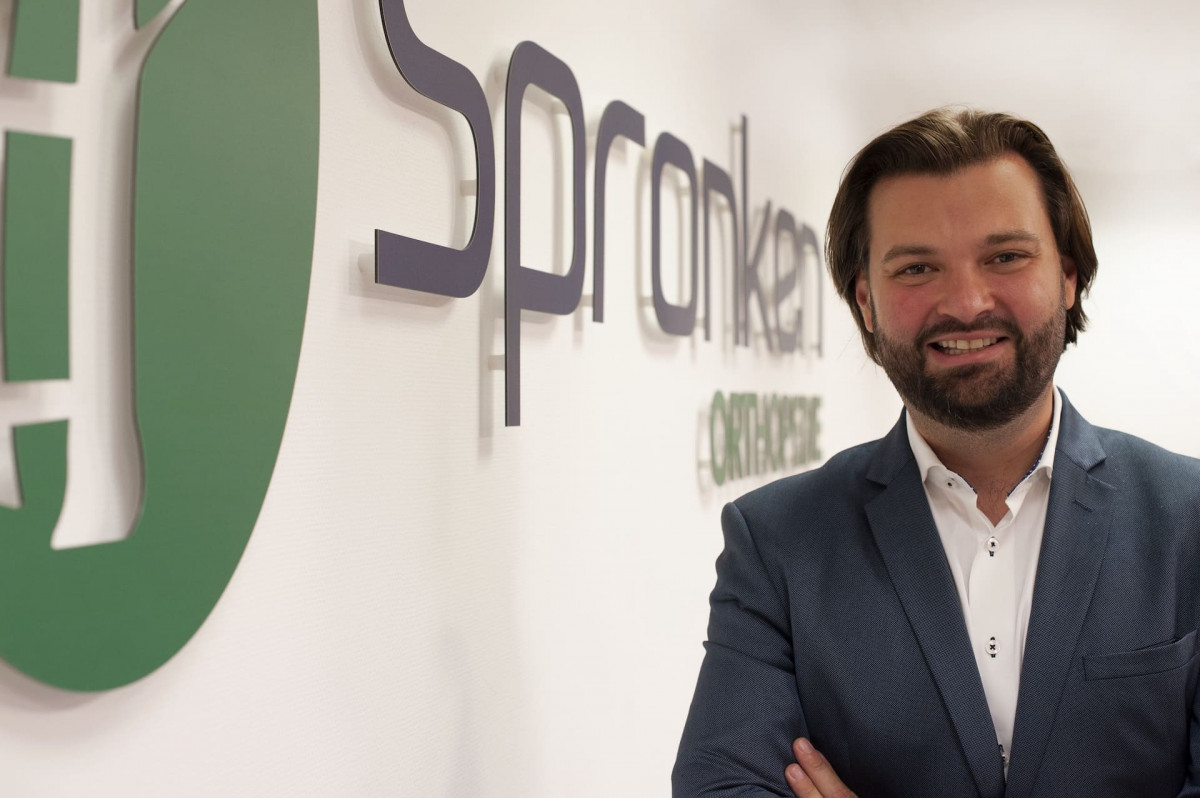
The conference emphasised inclusive designs for low-income countries, thereby increasing global accessibility. ‘Smart prostheses and orthoses not only improve the quality of life of patients, but also that of their caregivers. Faster and cheaper production of a perfectly fitting device is within reach for poor countries and disaster areas,’ said Caius Spronken, director at Spronken Group.
Sustainability, accessibility and environmental friendliness at the core
Sustainability is a key theme: environmentally friendly materials and recyclable components were central. The focus of environmentally conscious orthopaedics is on 3D scanning and printing, which is much more environmentally friendly than milling moulds and taking plaster casts.
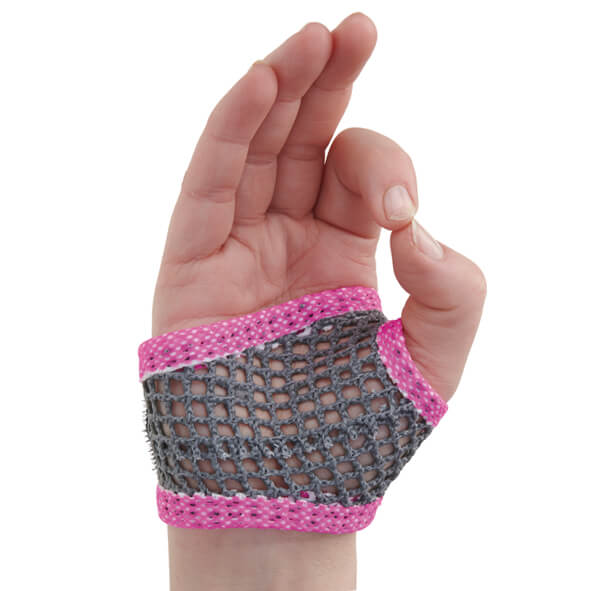
The showstopper for sustainable, environmentally conscious trauma care is X-Lite. X-Lite casting from Runlite is a lightweight, low-temperature thermoplastic artificial plaster for splinting and casting, made from 100% cotton mesh impregnated with a non-toxic resin. It is strong without fibreglass, offers excellent ventilation, is re-modelling and X-ray permeable. This is ideal for sustainable, recyclable and biodegradable orthopaedic braces and splints after trauma.
More information: www.spronkengroup.com. Stay up to date with the latest developments in orthopaedics and rehabilitation aids!
België - Headquarters
Transportlaan 9
3600 Genk
Belgium
 Nederlands
  Nederlands
  Français
  English